
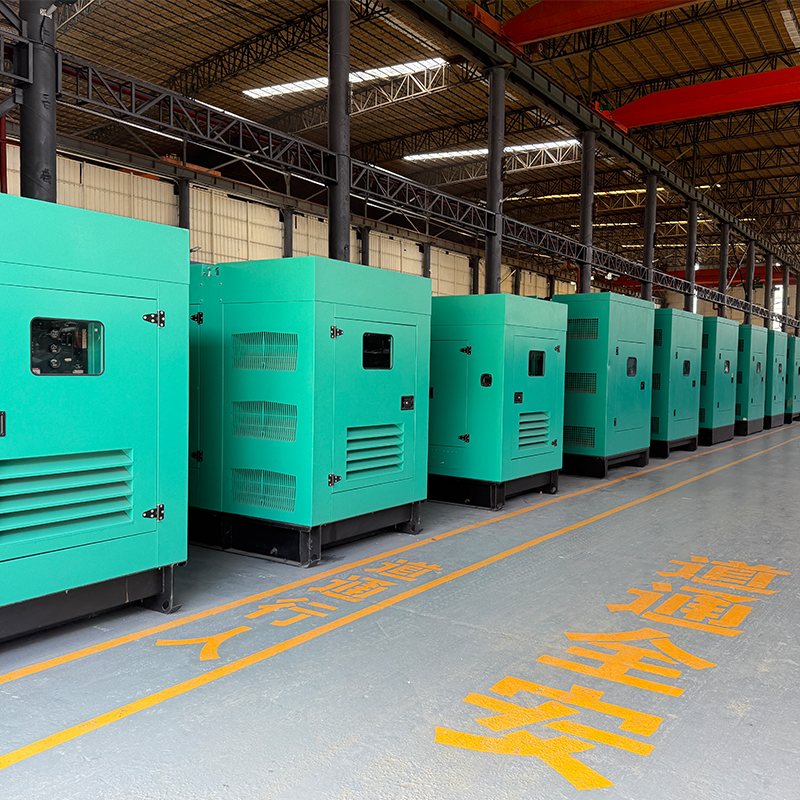
For factories, construction sites, and large industrial facilities, a diesel generator is more than just a backup power source—it is a critical part of daily operations. Heavy equipment, automated production lines, and large motors require stable and sufficient power. If a generator is undersized, it can lead to voltage instability, equipment failure, and costly downtime.
Understanding kVA capacity and power requirements is essential to ensure your diesel generator can handle heavy industrial loads efficiently and reliably.
What Does kVA Mean in Diesel Generators?
Generator capacity is typically measured in kVA (kilovolt-amperes). This unit represents the total apparent power a generator can deliver to electrical equipment.
Industrial diesel generators are usually rated in kVA because they power a wide range of equipment with varying power factors. While kVA indicates the total capacity, the usable power output is measured in kW (kilowatts).
Most industrial generator systems operate with a power factor of 0.8.
Basic conversion formula:
kW = kVA × 0.8
For example:
-
125 kVA generator ≈ 100 kW usable power
-
500 kVA generator ≈ 400 kW usable power
This relationship helps determine whether a generator can meet the actual power demand of industrial equipment.
Why Heavy Industrial Loads Require Careful Generator Sizing
Industrial environments often use equipment that requires high starting power. Electric motors, compressors, pumps, and large machinery may draw two to six times their rated current during startup.
If the diesel generator cannot handle this surge load, several problems may occur:
-
Voltage drops affecting sensitive equipment
-
Failed equipment startup
-
Generator overload shutdown
-
Increased wear on generator components
Proper generator sizing ensures smooth equipment startup and stable power output under heavy load conditions.
Key Factors When Determining Generator Capacity
Selecting the right diesel generator involves more than simply calculating total power consumption. Several factors must be considered to avoid under-sizing or over-sizing.
1️⃣ Total Electrical Load
Identify all equipment that will run simultaneously and calculate their combined power requirements.
2️⃣ Starting Power of Motors
Large motors and compressors require higher startup power. This must be included in generator sizing calculations.
3️⃣ Load Growth and Future Expansion
Factories often expand production capacity. Choosing a generator with additional capacity provides flexibility for future equipment additions.
4️⃣ Operating Mode
Generator selection also depends on how it will be used:
-
Standby Power – Backup during grid outages
-
Prime Power – Primary electricity source in remote locations
-
Continuous Power – Constant operation with stable loads
Each mode has different capacity and runtime requirements.
Typical kVA Ranges for Industrial Applications
Industrial diesel generators are available in a wide range of power capacities to meet different operational needs.
Common ranges include:
-
100–300 kVA – Small factories and workshops
-
300–800 kVA – Medium manufacturing facilities
-
800–2000 kVA – Large factories and construction projects
-
2000+ kVA – Mining operations, data centers, and major infrastructure projects
Many industrial generator systems integrate engines from globally recognized manufacturers such as Cummins and Perkins to ensure reliable performance and durability.
Signs Your Generator May Be Too Small
An undersized generator can create several operational issues, including:
-
Frequent voltage fluctuations
-
Difficulty starting heavy equipment
-
Overheating during high load operation
-
Generator overload alarms or shutdowns
-
Reduced efficiency and higher fuel consumption
If these problems occur regularly, it may indicate that the generator capacity does not match the facility’s power requirements.
The Importance of Professional Load Analysis
To avoid costly mistakes, many industrial facilities conduct a load analysis before purchasing a generator. This process evaluates equipment power demands, startup currents, and operational patterns to determine the correct generator capacity.
Professional load analysis helps ensure the generator system operates efficiently, safely, and reliably over the long term.
Final Thoughts
Selecting a diesel generator capable of handling heavy industrial loads requires a clear understanding of kVA capacity, power factor, and real equipment power demands. Proper sizing ensures stable voltage, smooth equipment startup, and long-term reliability.
By carefully evaluating power requirements and choosing a generator with adequate capacity, industrial facilities can protect critical equipment, reduce operational risks, and maintain continuous productivity even during power interruptions.


