
What Does It Mean to Generate Electricity?
Electricity generation is the process of creating electrical energy from other forms of energy. In simple terms, it means converting mechanical, chemical, or natural energy into electricity that can power homes, industries, and devices.
Today, electricity production is essential for modern life. From lighting and heating to manufacturing and communication, everything depends on a stable power supply.
So, how can you generate electricity? The answer depends on the energy source and the technology used.
How Is Electricity Formed?
To understand how electricity is formed, it helps to look at the basic principle. Electricity is created when electrons move through a conductor, such as a wire.
In most systems, this movement is produced by a generator. The generator uses mechanical energy to spin a rotor inside a magnetic field. As a result, electrical current is generated.
This process is known as electromagnetic induction. It is the foundation of almost all modern electricity production methods.
How Do Power Stations Generate Electricity?
Power stations are large facilities designed to produce electricity on a massive scale. So, how do power stations generate electricity?
The process usually involves several steps:
- Energy source is used – such as coal, gas, water, or wind
- Heat or motion is created – for example, steam or rotating blades
- Turbine spins – converting energy into mechanical motion
- Generator produces electricity – through electromagnetic induction
- Electricity is transmitted – through power lines to users
Because of this process, power stations can supply electricity to entire cities and industries.
How Does a Power Plant Operate?
To answer how does a power plant operate, we can look at a typical thermal power plant.
First, fuel such as coal or natural gas is burned to produce heat. This heat turns water into steam. Then, the steam spins a turbine connected to a generator.
After that, the generator produces electricity, which is sent to the grid. Finally, the steam is cooled and reused in the system.
Although different types of power plants use different energy sources, the basic idea remains the same: convert energy into motion, and then into electricity.
Common Methods of Electricity Production
There are several ways to generate electricity. Each method has its own advantages and applications.
Thermal Power
This method uses fossil fuels like coal, oil, or gas. It is one of the most common forms of electricity production.
Hydropower
Water flow turns turbines to generate electricity. It is clean and renewable.
Wind Power
Wind turbines convert wind energy into electricity. This method is widely used in open areas.
Solar Power
Solar panels convert sunlight directly into electricity using photovoltaic cells.
Diesel Generators
These systems use diesel engines to produce electricity. They are often used for backup or off-grid power.
Because each method has its own strengths, many systems combine multiple sources for better reliability.
How to Create Electricity in Small-Scale Applications
Electricity is not only generated in large power plants. It can also be created on a smaller scale.
For example:
- Portable generators for homes and small businesses
- Solar panels for residential use
- PTO generators powered by tractors
- Battery storage systems combined with renewable energy
These solutions are useful in remote areas or during power outages. They provide flexibility and independence from the main grid.
How Was Electricity Produced in the Past?
Understanding how electricity was produced in the past helps explain how far technology has advanced.
In the early days, electricity was generated using simple mechanical systems. For example, early generators were powered by steam engines or water wheels.
Later, large-scale power plants were developed during the industrial revolution. These plants used coal to produce steam and generate electricity.
Over time, new technologies such as gas turbines, nuclear power, and renewable energy have improved efficiency and reduced environmental impact.
SANQ Case Study: Reliable Electricity for Industrial Use
SANQ has provided practical electricity generation solutions to clients worldwide. Based on project experience from sqgepower.com, one manufacturing company faced frequent power outages that disrupted production.
The client needed a reliable backup system to ensure continuous electricity production.
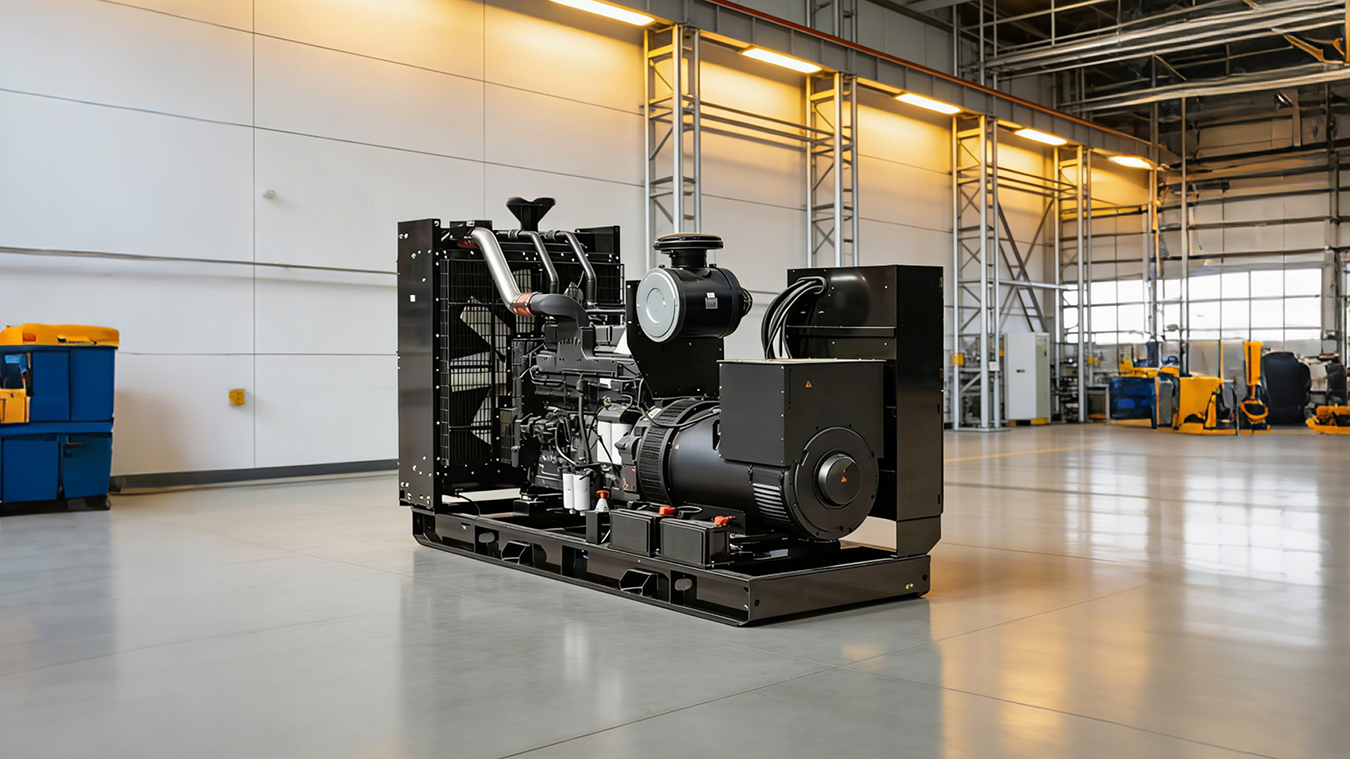
To solve this, SANQ supplied a high-capacity diesel generator system. The solution was designed to start automatically during outages and provide stable power.
The results were clear:
- Production downtime was reduced significantly
- Equipment operated more safely
- Overall efficiency improved
In addition, SANQ offered technical support and maintenance services, ensuring long-term reliability.
SANQ Solution: Flexible Power Generation Systems
SANQ provides a wide range of solutions for different electricity needs. These include:
- Diesel generator sets for backup and continuous power
- Containerized power systems for easy transport
- Hybrid systems combining generators with solar energy
- Customized solutions for industrial and remote applications
For example, in a mining project, SANQ delivered a containerized generator system that provided stable electricity in a remote area. The system was easy to install and operate, which saved time and costs.
Because of these solutions, businesses can generate electricity efficiently and reliably in any environment.
Benefits of Modern Electricity Generation
Modern methods of generating electricity offer several advantages.
First, they provide reliable power for critical operations. This is essential for industries and healthcare facilities.
Second, they improve efficiency. Advanced technologies reduce energy waste and lower costs.
Third, they support sustainability. Renewable energy sources help reduce environmental impact.
Finally, they offer flexibility. Users can choose from different methods based on their needs and resources.
Choosing the Right Power Generation Method
Selecting the best way to generate electricity depends on several factors.
- Power demand: Determine how much electricity is needed
- Location: Consider access to fuel or renewable resources
- Budget: Evaluate initial and operating costs
- Reliability: Ensure continuous power supply
- Environmental impact: Choose cleaner energy options when possible
By carefully considering these factors, users can find the most suitable solution.
Future Trends in Electricity Production
The future of electricity production is focused on efficiency and sustainability. New technologies are shaping the way power is generated and used.
For example:
- Smart grids for better energy management
- Hybrid systems combining multiple energy sources
- Improved battery storage solutions
- Cleaner and more efficient generators
As these technologies develop, electricity generation will become more reliable and environmentally friendly.
Conclusion
So, how can you generate electricity? The answer ranges from large power plants to small portable systems. Whether through thermal power, renewable energy, or generator sets, the goal is the same: convert energy into usable electricity.
With advanced solutions from SANQ, businesses and individuals can achieve reliable and efficient electricity production. By understanding how power is generated and choosing the right system, it is possible to meet energy needs in any situation.


