
What Is an Industrial Backup Generator?
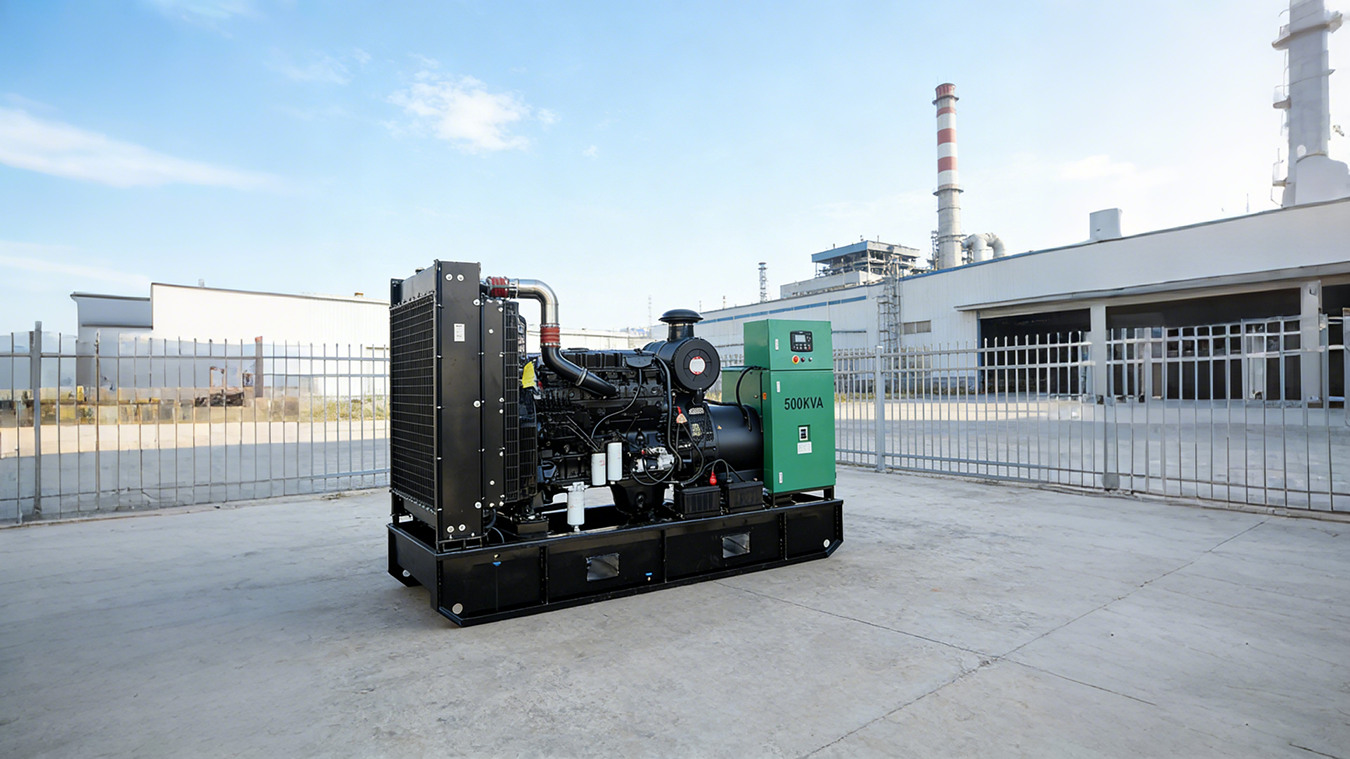
An industrial backup generator is a large-scale power system designed to supply electricity when the main grid fails. It plays a critical role in factories, data centers, hospitals, construction sites, and mining operations. Without it, even a short outage can cause serious losses.
In simple terms, this type of generator converts mechanical energy into electrical energy. Most systems run on diesel, gas, or hybrid fuel. Because of their size and output, they are built for long hours of operation and heavy loads.
Moreover, industrial backup generators are not just emergency tools. In many regions, they also serve as primary power sources where the grid is unstable or unavailable.
How Can You Generate Electricity?
Before choosing a generator, it helps to understand the basic idea behind power generation.
Electricity is produced by converting energy from one form into another. In generators, this process involves fuel combustion, which drives an engine. The engine then turns an alternator, creating electricity.
There are several common methods:
- Diesel-powered systems for high efficiency and durability
- Natural gas generators for cleaner emissions
- Renewable systems such as solar combined with battery storage
- Hybrid systems that combine multiple energy sources
As a result, businesses can select a solution based on fuel availability, cost, and environmental regulations.
Containerized Generator Solutions
A containerized generator is a fully integrated power system housed inside a standard container. This design offers both protection and flexibility.
First, it simplifies transportation. Since the generator is enclosed in a container, it can be shipped easily by sea, rail, or truck. This is especially useful for international projects.
Second, it improves durability. The container protects the equipment from harsh weather, dust, and physical damage. Therefore, it is ideal for outdoor and remote applications.
In addition, containerized generators often include:
- Built-in fuel tanks
- Noise reduction systems
- Ventilation and cooling setups
- Fire safety systems
Because of these features, they are widely used in construction sites, oil fields, and large infrastructure projects.
Tier 4 Generator: Meeting Emission Standards
A Tier 4 generator refers to equipment that meets strict emission standards set for diesel engines. These standards aim to reduce pollutants such as nitrogen oxides (NOx) and particulate matter (PM).
Compared to older models, Tier 4 generators are cleaner and more efficient. They use advanced technologies like:
- Selective catalytic reduction (SCR)
- Diesel particulate filters (DPF)
- Electronic fuel injection systems
Although the initial cost is higher, the long-term benefits are clear. Businesses can meet regulatory requirements while also reducing environmental impact.
Furthermore, many industries now require Tier 4 generators, especially in North America and Europe. Therefore, choosing a compliant system is often necessary rather than optional.
Caterpillar Electric Generators
Caterpillar electric generators are known for their durability and performance in demanding environments. They are widely used in industrial, commercial, and utility applications.
These generators offer:
- High reliability under continuous load
- Strong global service support
- Advanced control systems for monitoring and automation
In addition, Caterpillar systems are often paired with high-quality engines and alternators. This ensures stable power output and long service life.
Because of these advantages, they are a common choice for mission-critical facilities such as hospitals and data centers.
Cat Engines: The Core of Reliable Power
Cat engines are at the heart of many industrial generators. They are designed for heavy-duty use and long operational hours.
Key features include:
- High fuel efficiency
- Strong load acceptance
- Low maintenance requirements
Moreover, these engines are built to perform under extreme conditions. Whether in high temperatures or dusty environments, they maintain stable output.
For this reason, Cat engines are often preferred in industries where downtime is not acceptable.
All Power Generator Options
An all power generator refers to versatile systems that can handle a wide range of applications. These generators are designed to provide power across different load conditions.
They are commonly used in:
- Commercial buildings
- Small factories
- Temporary power setups
One key advantage is flexibility. Users can deploy them for both backup and continuous power. In addition, many models are compact and easy to install.
As a result, they are a practical solution for businesses that need reliable yet adaptable power systems.
Multi Fuel Generators: Flexible Energy Choices
Multi fuel generators can operate on more than one type of fuel, such as diesel, natural gas, or propane. This flexibility provides several benefits.
First, it reduces dependency on a single fuel source. If one fuel becomes unavailable or expensive, users can switch to another.
Second, it improves cost control. Businesses can choose the most economical fuel at any given time.
Finally, it enhances reliability. In emergency situations, having multiple fuel options ensures continuous operation.
Because of these advantages, multi fuel generators are gaining popularity in industrial and remote applications.
Truck Generator: Mobile Power Solutions
A truck generator is a generator mounted on a vehicle, allowing easy mobility. This type of system is ideal for projects that require power in different locations.
Common applications include:
- Emergency response
- Outdoor events
- Road construction
- Temporary industrial sites
One major benefit is convenience. Instead of transporting separate equipment, the generator can be driven directly to the site.
In addition, truck generators often include quick setup features, which save time and labor.
Meter Plug for Generator: Safe Power Connection
A meter plug for generator is used to connect a generator to a building’s electrical system safely. It ensures proper power transfer and prevents backfeeding, which can be dangerous.
Key benefits include:
- Improved safety for operators and utility workers
- Easy switching between grid and generator power
- Compliance with electrical standards
Therefore, installing the correct meter plug is essential for any backup power system.
Choosing the Right Industrial Backup Generator
Selecting the right generator depends on several factors. Each project has unique requirements, so careful evaluation is necessary.
Important considerations include:
- Power capacity: Calculate total load requirements
- Fuel type: Consider availability and cost
- Emission standards: Ensure compliance with regulations
- Installation environment: Indoor, outdoor, or mobile use
- Maintenance and service support
In addition, it is wise to choose a trusted supplier with proven experience. This ensures product quality and long-term reliability.
Benefits of Industrial Backup Generators
Industrial backup generators provide several key advantages.
First, they ensure business continuity. Even during outages, operations can continue without interruption.
Second, they protect equipment. Sudden power loss


