
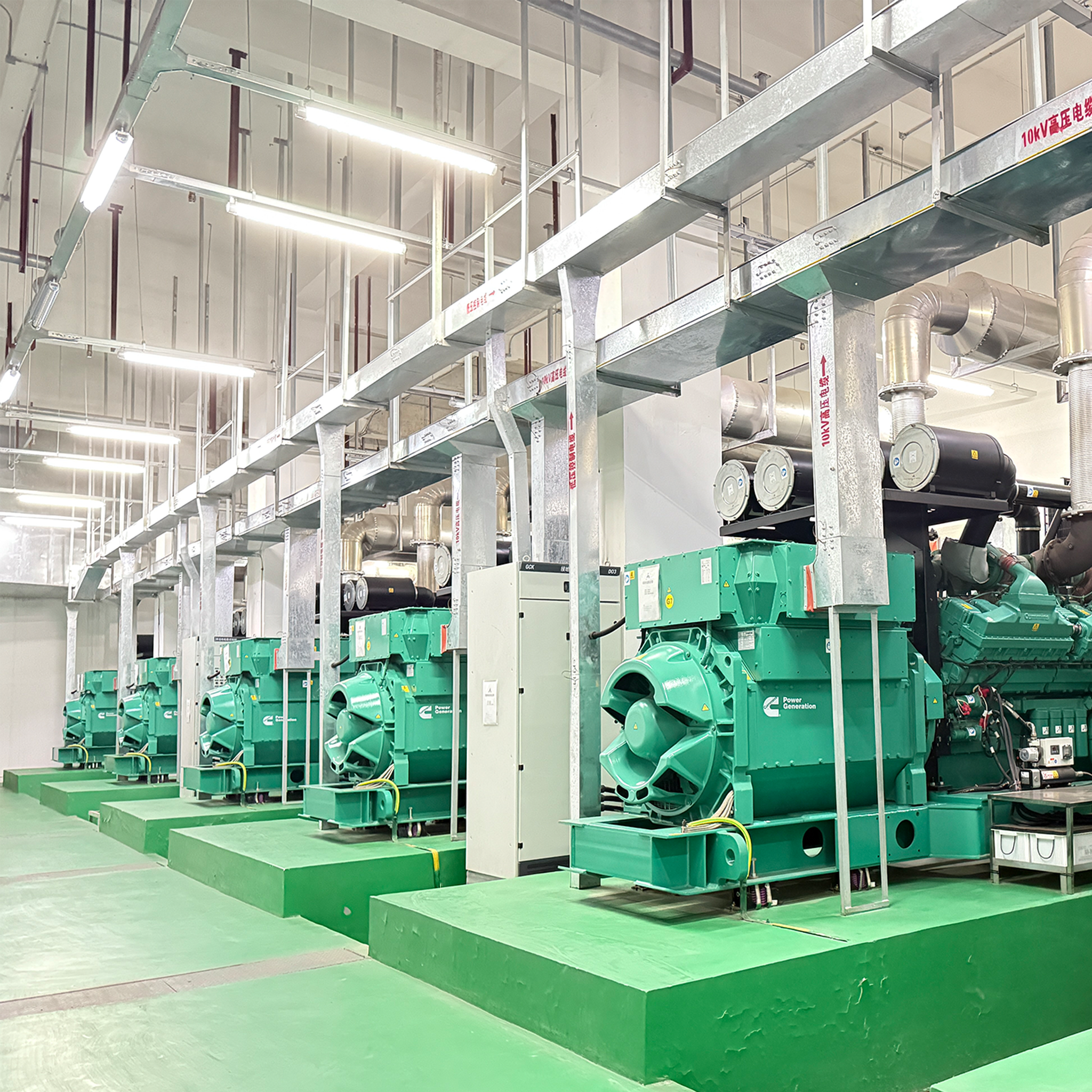
When the grid fails, your business cannot afford to stop. Industrial diesel generators provide the backbone for modern infrastructure, ensuring that hospitals, data centers, and factories stay online during emergencies. Whether you need a small backup unit or a massive power plant, choosing the right equipment is vital for safety and efficiency.
In this guide, we will break down the various sizes and types of power units available today. From compact 15kW models to massive 2MW engines, here is everything you need to know about choosing a diesel generator.
15kW Generator: Compact Power for Small Tasks
The 15kw generator is the entry point for industrial-grade power. While small, these units are built to run for long hours under tough conditions.
● Best For: Small offices, telecommunication towers, and remote job sites.
● Why Choose It: It uses very little fuel and fits into tight spaces.
● Key Benefit: It provides a steady flow of power for sensitive electronics without the bulk of a larger engine.
25kW Generator: Stepping Up for Small Businesses
A 25kw generator offers a bit more muscle. This size is very popular for small retail shops or gas stations that need to keep the lights on and the pumps running.
These units often come in weather-proof enclosures. This means they can sit outside in the rain or snow and still start up the moment the power cuts out. It is a reliable "set it and forget it" solution for many owners.
40kW Generator: The Versatile Workhorse
Moving up the scale, the 40kw generator is a favorite for agricultural use and larger commercial buildings. It can handle more than just lights; it can power HVAC systems and mid-sized machinery.
Because it is a diesel generator, it offers high torque and long-term durability. Most 40kW models are designed to last for decades if they are maintained properly.
60kW Generator: High Performance for Demanding Jobs
A 60kw generator is where we start seeing serious industrial capability. These are often used as standby power for grocery stores to prevent food spoilage during a blackout.
● Reliability: Built with heavy-duty cooling systems.
● Output: Can easily support multiple large motors starting at once.
● Fuel Efficiency: Modern 60kW engines use electronic governors to save fuel when the load is light.
100 kW Generator: The Standard for Mid-Sized Facilities
The 100 kw generator is one of the most common sizes in the industry. It sits at the "sweet spot" where power meets portability.
Many construction sites use a 100 kw generator to power an entire fleet of tools and temporary offices. In a permanent setting, it is the perfect size for a nursing home or a large office floor. It provides enough energy to keep elevators moving and critical life-safety systems active.
500 kW Generator: Heavy-Duty Industrial Support
When you reach the level of a 500 kw generator, you are looking at massive power. This unit is designed for heavy manufacturing plants and large-scale data centers.
A 500 kw generator can handle thousands of amps. Because of its size, it usually requires a dedicated concrete pad and a large external fuel tank. These machines are built for "prime power," meaning they can run for days or even weeks at a time if the local grid is unstable.
2 Megawatt Generator: The Giant of the Power World
The 2 megawatt generator (2000kW) is a beast of engineering. Only the largest facilities in the world require this much concentrated energy.
● Primary Uses: Hospitals, massive data campuses, and water treatment plants.
● Capability: A single 2MW unit can power a small neighborhood or a massive high-rise building.
● Scalability: Often, companies will link several of these together to create a "power farm" that produces 10MW or more.
Commercial Natural Gas Generator: The Clean Alternative
While diesel is the king of reliability, a commercial natural gas generator is a great choice for areas with easy access to utility gas lines.
The main benefit here is that you never have to worry about refueling a tank. The fuel piped in from the city stays fresh and is always ready. These units also tend to run a bit cleaner, which can help businesses meet local environmental goals.
12000 Watt Generator: Portable Professional Power
Sometimes you don't need a permanent fixture. A 12000 watt generator (12kW) is often a portable or towable unit.
It is perfect for:
1. Mobile repair crews.
2. Outdoor events and festivals.
3. Backing up a residential home office.
Even though it is small, a 12000 watt generator built for industrial use will have a much tougher frame and better engine protection than a standard "big box store" model.
Why Choose a Diesel Generator?
Through all these sizes, the diesel generator remains the industry standard for a few simple reasons. First, diesel fuel is safer to store than gasoline because it is less flammable. Second, diesel engines do not use spark plugs, which means there are fewer parts to break or replace.
Lastly, the lifespan of a diesel engine is much longer. While a gas engine might give up after a few thousand hours, a well-kept diesel unit can often run for 20,000 to 30,000 hours before needing a major overhaul.
Final Thoughts
Choosing the right power source is a big decision. Whether you are looking at a 15kw generator for a small shop or a 2 megawatt generator for a hospital, always look at your peak load requirements.
Reliable power is not just a luxury; it is a way to protect your workers, your data, and your bottom line. Always consult with a professional electrician to ensure your installation meets local codes and safety standards.


