
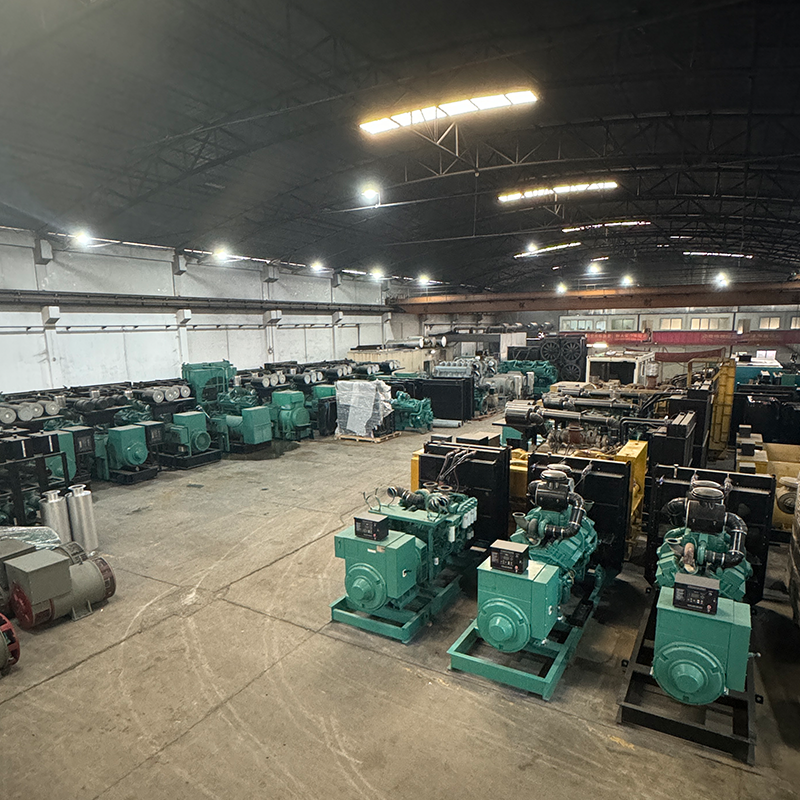
Factories and manufacturing facilities rely heavily on stable electricity to power machinery, production lines, and automated systems. When grid power becomes unreliable or unavailable, diesel generators become essential for maintaining continuous operations.
However, choosing the correct generator size is critical. An undersized generator may fail to start heavy equipment, while an oversized system can lead to unnecessary costs and inefficiency. Many industrial facilities choose generators powered by engines from Cummins due to their reliability and strong load-handling capabilities.
So, what size Cummins generator does your factory really need?
Why Generator Sizing Matters in Manufacturing
Manufacturing environments often operate equipment that requires high electrical loads, including:
-
CNC machines
-
Industrial motors and pumps
-
Air compressors
-
Conveyor systems
-
Welding equipment
-
HVAC systems
If the generator cannot supply enough power, it can cause:
-
Voltage instability
-
Equipment startup failure
-
Production interruptions
-
Generator overload shutdown
Proper generator sizing ensures smooth operation and protects both machinery and production efficiency.
Understanding kVA and kW for Generator Selection
Generator capacity is usually measured in kVA (kilovolt-amperes), while actual usable power is measured in kW (kilowatts).
For most industrial diesel generators, the typical power factor is 0.8.
Conversion formula:
kW = kVA × 0.8
For example:
-
250 kVA generator ≈ 200 kW usable power
-
500 kVA generator ≈ 400 kW usable power
-
1000 kVA generator ≈ 800 kW usable power
Understanding this relationship helps factory operators choose the correct generator capacity for their equipment.
Key Factors When Determining Generator Size
1️⃣ Total Equipment Load
The first step is calculating the total power demand of all machines and systems that will run simultaneously. This provides the base power requirement for the generator.
2️⃣ Motor Starting Power
Many factory machines use electric motors, which require significantly higher current during startup. Starting power can be 2 to 6 times higher than the normal running load.
Generators must be sized to handle this surge demand without voltage drops.
3️⃣ Future Production Expansion
Manufacturing facilities often expand operations over time. Choosing a generator with additional capacity allows for future equipment installation without replacing the entire power system.
4️⃣ Operating Mode
The generator’s role also affects its required size:
-
Standby Power – Used only during grid outages
-
Prime Power – Primary electricity source in off-grid factories
-
Continuous Power – Constant operation with steady load
Each operating mode may require different generator ratings.
Typical Cummins Generator Sizes for Factories
Generators powered by Cummins engines are widely used in manufacturing due to their reliability and performance.
Common generator size ranges include:
150–300 kVA
Suitable for small workshops and light manufacturing equipment.
300–800 kVA
Ideal for medium-sized factories with multiple production machines.
800–1500 kVA
Common in larger manufacturing plants with heavy industrial equipment.
1500+ kVA
Used in large-scale factories, industrial parks, and continuous production facilities.
The final size should always be determined through detailed load calculations.
Signs Your Generator May Be Undersized
If a generator is too small for factory operations, several issues may appear:
-
Difficulty starting large machines
-
Voltage fluctuations during operation
-
Frequent overload alarms
-
Generator overheating
-
Reduced equipment lifespan
These signs indicate that the generator capacity does not match the facility’s power demand.
Professional Load Analysis Is Recommended
Before purchasing a generator, many manufacturers perform a load analysis. This evaluation calculates the total electrical demand, startup requirements, and operational patterns of factory equipment.
Working with experienced engineers or generator suppliers ensures the correct generator capacity is selected, reducing operational risks and improving long-term efficiency.
Final Thoughts
Selecting the right generator size is essential for factories and manufacturing facilities that depend on stable power. Understanding kVA capacity, calculating equipment load, and accounting for motor startup demand all play important roles in generator sizing.
Generators powered by Cummins engines provide strong performance for industrial environments, but the key to reliable operation is choosing the correct capacity for your specific manufacturing needs.


