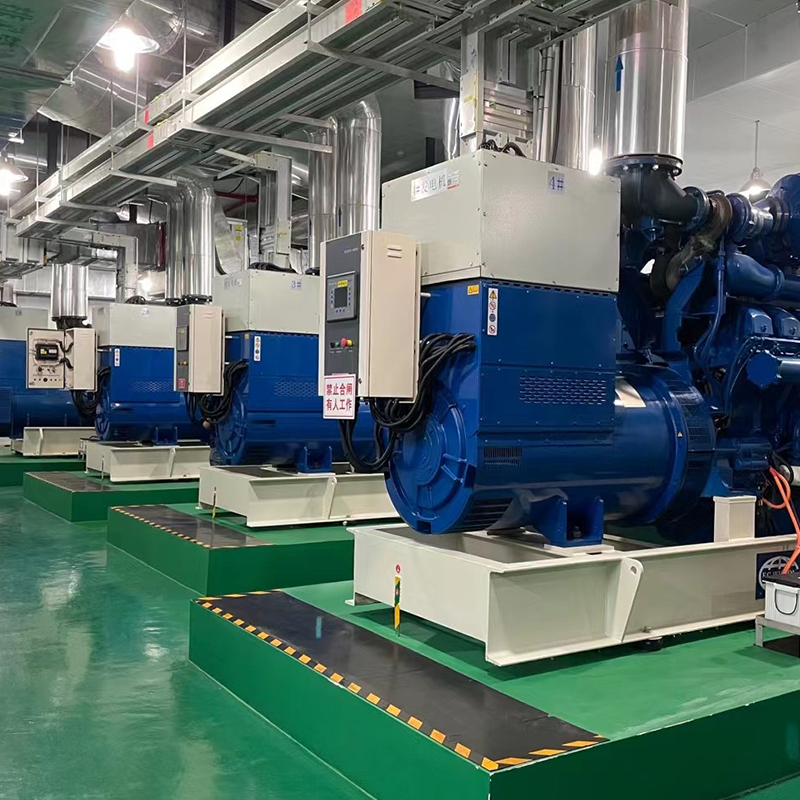
Fuel efficiency is one of the most important factors when selecting a diesel generator set for industrial and commercial applications. Whether used for backup power or continuous operation, fuel consumption directly affects operating costs and long-term profitability.
Among global power solutions, generators powered by engines from Cummins are widely recognized for balancing performance and fuel efficiency. But how efficient are they in real-world applications?
Fuel consumption in a diesel generator set depends on several key factors:
Load Level
Diesel generators operate most efficiently at 70%–80% of rated load. Running a diesel fuel generator at very low load increases fuel consumption per kWh, while overloading reduces efficiency and can damage the system.
Engine Technology
Advanced engines from Cummins use high-pressure fuel injection, turbocharging, and optimized combustion systems to improve fuel efficiency and reduce waste.
Generator Size and Matching
Choosing the correct generator size is critical. An oversized diesel generator set will run under low load, leading to inefficient fuel usage. Proper sizing ensures optimal fuel consumption.
Maintenance Condition
Well-maintained diesel fuel generators consume less fuel. Dirty filters, worn injectors, or poor lubrication can increase fuel consumption significantly.
Typical Fuel Consumption of Cummins Diesel Generators
Fuel consumption is usually measured in liters per hour (L/h) or grams per kWh (g/kWh).
Below is a general reference for a Cummins-powered diesel generator set under normal conditions:
-
100 kVA diesel generator set
Approx. 20–25 L/h at 75% load
-
500 kVA diesel generator set
Approx. 90–110 L/h at 75% load
-
1000 kVA diesel generator set
Approx. 180–220 L/h at 75% load
Actual fuel consumption may vary depending on load conditions, environment, and configuration of the diesel fuel generator.
Why Cummins Diesel Generator Sets Are Fuel Efficient
Generators powered by Cummins engines are designed for efficiency in demanding industrial environments.
Optimized Combustion Systems
Precise fuel injection ensures better combustion, reducing fuel waste.
Turbocharged Engines
Turbocharging improves air intake efficiency, allowing more complete fuel burning.
Intelligent Control Systems
Modern diesel generator sets include digital controllers that help optimize performance and fuel usage.
High-Quality Components
Durable engine parts reduce energy loss and maintain efficiency over long operating hours.
How to Improve Fuel Efficiency of Your Diesel Fuel Generator
To maximize efficiency and reduce operating costs, consider the following best practices:
Operate at Optimal Load
Keep your diesel generator set running between 60%–80% load whenever possible.
Choose the Right Size
Avoid oversizing or undersizing your diesel fuel generator.
Perform Regular Maintenance
Replace air filters, fuel filters, and oil regularly to maintain engine performance.
Use High-Quality Fuel
Clean diesel fuel improves combustion efficiency and reduces engine wear.
Monitor Performance
Use smart control systems to track fuel consumption and detect inefficiencies.
Fuel Efficiency vs Total Cost of Ownership
While initial purchase price is important, fuel consumption has a major impact on the total cost of ownership (TCO) of a diesel generator set.
A more fuel-efficient diesel fuel generator can:
For industrial users running generators for long hours, even small efficiency improvements can result in significant savings.
Final Thoughts
Fuel efficiency is a critical factor when selecting a diesel generator set, especially for industrial and continuous power applications. Generators powered by Cummins engines are known for delivering reliable performance while maintaining competitive fuel consumption levels.
By choosing the right generator size, operating under optimal conditions, and maintaining the system properly, users can maximize efficiency and reduce overall operating costs.
For businesses that depend on stable and cost-effective power, investing in an efficient diesel fuel generator is a smart long-term decision.