
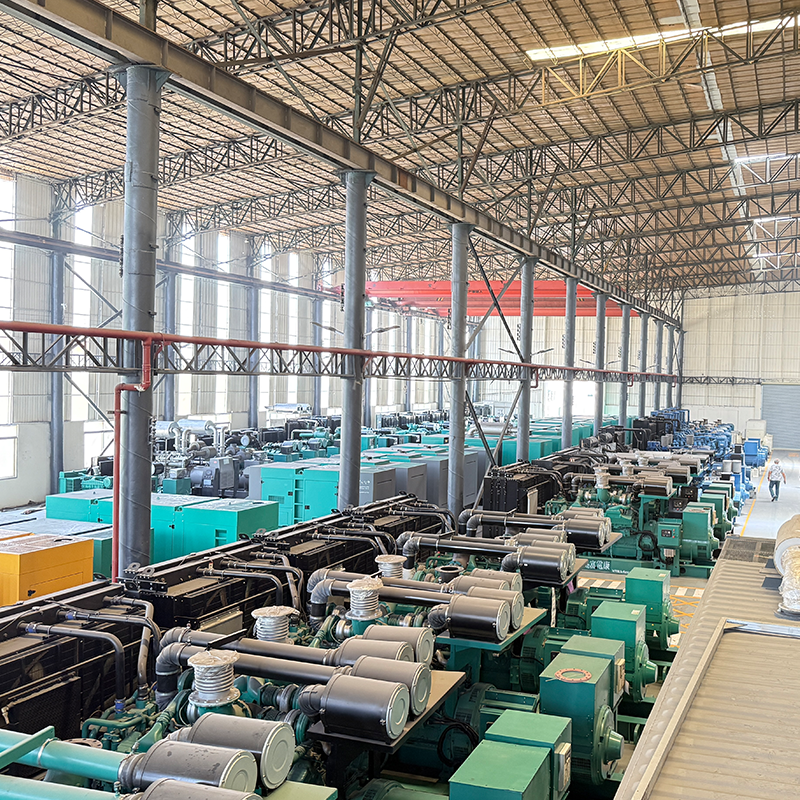
Buying a diesel generator is not a simple equipment purchase. It is a long-term investment that affects power stability, operating costs, and business continuity for years to come.
Yet many buyers focus only on generator price or power rating and overlook critical factors that later lead to performance problems, unexpected expenses, and costly downtime.
Whether you are sourcing a diesel generator set for industrial applications, a backup generator for commercial buildings, or a standby generator for emergency power, understanding these common mistakes can help you make a smarter decision and avoid expensive regrets.
Below are seven costly mistakes buyers often make when purchasing a diesel generator — and how to avoid them.
Mistake 1: Choosing the Wrong Generator Size
Incorrect generator sizing is one of the most frequent and damaging mistakes.
An undersized diesel generator may struggle to handle peak loads, causing frequent overloads, voltage fluctuations, and premature engine wear. On the other hand, an oversized generator set increases initial cost, wastes fuel, and can lead to inefficient operation such as wet stacking.
Proper generator sizing depends on several factors:
-
Total load in kW or kVA
-
Starting current of motors and compressors
-
Power factor
-
Continuous, prime, or standby operation
A professional generator supplier should calculate your actual operating load and recommend the correct diesel generator capacity, rather than guessing or overselling.
Mistake 2: Ignoring the Generator Application Type
Not all diesel generator sets are designed for the same usage.
Generators are typically rated for:
-
Standby power, used only during grid failure
-
Prime power, used when utility power is unreliable
-
Continuous power, used as the main power source
Using a standby-rated generator for continuous operation can quickly result in overheating, reduced lifespan, and warranty issues. Buyers should always confirm the generator power rating, duty cycle, and application limits before purchase.
Matching the generator set to the correct application ensures long-term reliability and safe operation.
Mistake 3: Focusing Only on Diesel Generator Price
Many buyers choose a diesel generator based solely on the lowest quotation, without considering total cost of ownership.
Hidden long-term costs often include:
-
High diesel fuel consumption
-
Frequent maintenance requirements
-
Expensive or unavailable spare parts
-
Poor engine efficiency
-
Limited after-sales service
A lower-priced diesel generator may consume significantly more fuel, resulting in higher operating costs over its lifetime. Evaluating fuel consumption rates, service intervals, and component quality provides a more accurate picture of real cost.
A reliable diesel generator manufacturer should be able to provide fuel consumption data, maintenance schedules, and lifecycle cost estimates.
Mistake 4: Overlooking Engine and Alternator Quality
The performance and lifespan of a diesel generator depend heavily on the quality of its engine and alternator.
Common issues arise when buyers select generator sets with unknown engine brands, low-quality alternators, or poor voltage regulation. These problems often lead to unstable output, higher maintenance costs, and reduced reliability.
When selecting a generator set, buyers should pay attention to:
-
Proven diesel engine brands
-
Alternators with high insulation class
-
Stable AVR voltage regulation
-
Compliance with international standards
High-quality components ensure consistent power output and long-term durability, especially for industrial generator applications.
Mistake 5: Ignoring Installation and Operating Environment
Even a high-quality diesel generator can fail if installed incorrectly.
Environmental and installation factors that affect generator performance include:
-
Ventilation and cooling airflow
-
Ambient temperature
-
Installation altitude
-
Noise control requirements
-
Exhaust system design
Poor ventilation can reduce generator output and cause overheating. High ambient temperatures or altitude can also affect engine performance if not properly accounted for.
A professional generator supplier should provide installation guidelines, cooling requirements, and noise level data to ensure optimal performance after installation.
Mistake 6: Failing to Plan for Maintenance and Spare Parts
Diesel generators require regular maintenance to operate reliably.
Some buyers overlook the importance of spare parts availability and maintenance planning, leading to extended downtime when components fail. This is especially costly for factories, hospitals, data centers, and infrastructure projects.
Before purchasing a generator set, buyers should confirm:
-
Availability of standard spare parts
-
Maintenance intervals
-
Technical support and service documentation
Choosing a diesel generator with widely available components and a clear maintenance plan reduces downtime and protects long-term investment.
Mistake 7: Choosing the Wrong Generator Supplier
The supplier you choose is just as important as the generator itself.
Unreliable suppliers often lack manufacturing capability, technical expertise, or after-sales support. Warning signs include unclear warranty terms, limited project experience, and no factory testing documentation.
A professional diesel generator supplier should offer:
-
Technical consultation before purchase
-
Customized generator solutions
-
Factory testing and inspection reports
-
Long-term after-sales support
Working directly with an experienced diesel generator manufacturer often ensures better quality control, competitive pricing, and faster technical response.
How to Choose the Right Diesel Generator Set
Before buying a diesel generator, buyers should evaluate their actual power requirements, operating conditions, and long-term expectations. Understanding load demand, application type, fuel consumption, and maintenance needs helps ensure the generator set performs reliably for years.
A well-selected diesel generator can operate efficiently for 10 to 20 years with proper maintenance, providing stable and dependable power.
Conclusion
Buying a diesel generator is a critical decision that should never be based on price alone. Avoiding these common mistakes can help buyers reduce operating costs, improve reliability, and extend generator lifespan.
Whether you are sourcing a diesel generator, diesel generator set, or industrial generator, choosing the right equipment and the right supplier makes all the difference.
A smart purchase today ensures stable power, lower costs, and peace of mind tomorrow.


