
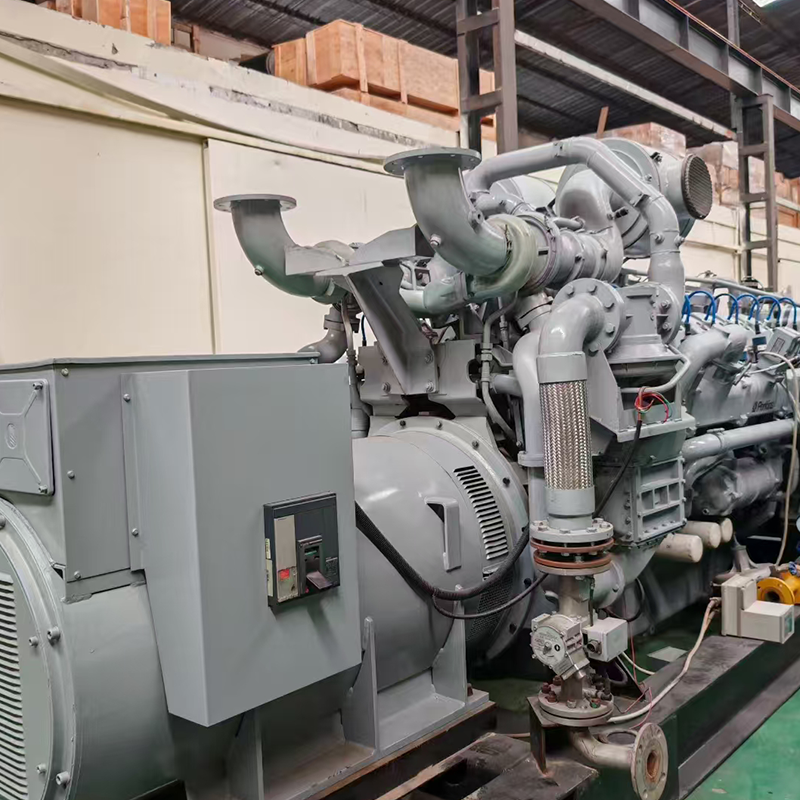
Buying a diesel generator is a critical decision for businesses that rely on stable and continuous power. Whether the generator is used as a standby generator, a prime power generator, or a continuous power source, choosing the wrong generator set can lead to high operating costs, frequent failures, and unexpected downtime.
Many buyers focus only on generator capacity or initial price, but overlook key factors such as generator size accuracy, fuel consumption, and hidden long-term costs. This diesel generator buying guide explains what really matters, helping you choose the right diesel generator set for reliable performance and long-term value.
Understanding Diesel Generator Size
Generator size is one of the most important factors when purchasing a diesel generator set. Selecting the wrong size can result in poor performance, reduced efficiency, and costly repairs.
What Does Generator Size Mean?
Diesel generator size is usually expressed in kVA or kW, indicating how much electrical load the generator can safely handle. However, generator sizing is not just about total power demand. It also involves understanding how loads behave during startup and operation.
Key factors affecting generator size include:
-
Total connected load
-
Starting current of motors and pumps
-
Power factor
-
Load fluctuation patterns
An undersized generator may overload during peak demand, causing voltage drops and engine stress. An oversized generator, while seemingly safer, often runs at low load, increasing fuel consumption and maintenance issues such as wet stacking.
How to Size a Diesel Generator Correctly
Correct generator sizing starts with a detailed load calculation. This includes identifying critical loads, non-critical loads, and future expansion plans. A professional generator supplier should analyze your application and recommend a generator set that operates efficiently at 60–80% load under normal conditions.
Proper sizing ensures:
-
Stable power output
-
Longer engine lifespan
-
Lower fuel consumption
-
Reduced maintenance costs
Diesel Generator Fuel Consumption Explained
Fuel consumption is a major operating cost for any diesel generator, especially for prime or continuous power applications.
What Affects Fuel Consumption?
Diesel generator fuel consumption depends on several factors:
-
Generator load percentage
-
Engine efficiency
-
Generator size
-
Operating environment
Fuel consumption is typically measured in liters per hour (L/h) at different load levels, such as 50%, 75%, and 100% load. Many buyers make the mistake of comparing generators only at full load, even though most generators operate at partial load most of the time.
Why Fuel Efficiency Matters
A generator with poor fuel efficiency may appear cheaper at first but will cost significantly more over its lifetime. Even a small difference in fuel consumption can result in thousands of dollars in additional fuel costs each year.
When evaluating diesel generator sets, buyers should request:
-
Fuel consumption curves
-
Engine performance data
-
Recommended operating load range
Choosing a fuel-efficient diesel generator helps reduce operating expenses and improves return on investment.
Hidden Costs of Diesel Generator Ownership
The initial purchase price of a diesel generator is only part of the total cost. Many buyers fail to account for hidden costs that appear after installation.
Maintenance and Service Costs
Diesel generators require regular maintenance, including oil changes, filter replacement, and system inspections. Poor-quality generators often require more frequent servicing and may use non-standard spare parts that are expensive or difficult to source.
Before purchasing, buyers should confirm:
-
Maintenance intervals
-
Spare parts availability
-
Technical support options
A well-designed generator set with standard components reduces maintenance complexity and downtime.
Installation and Infrastructure Costs
Installation costs can vary significantly depending on site conditions. Expenses may include:
-
Foundation construction
-
Ventilation systems
-
Exhaust piping
-
Fuel storage systems
-
Noise control solutions
Ignoring these costs during the planning stage can lead to budget overruns and installation delays.
Downtime and Reliability Costs
For industrial and commercial users, power failure can result in lost production, damaged equipment, or safety risks. An unreliable diesel generator can cost far more in downtime than its purchase price.
Investing in a reliable generator set from a reputable manufacturer reduces the risk of unexpected failures and operational losses.
Choosing the Right Generator Application Type
Not all diesel generators are designed for the same purpose. Selecting the correct application rating is essential.
Standby, Prime, and Continuous Power
-
Standby generator: Designed for emergency backup power only
-
Prime power generator: Used when grid power is unstable or unavailable for long periods
-
Continuous power generator: Designed to operate as the main power source
Using the wrong rating can shorten generator life and void warranties. Buyers should clearly define their operating requirements and confirm the generator’s power rating before purchase.
Engine and Alternator Selection
The core components of a diesel generator set are the engine and alternator. Their quality directly affects performance, efficiency, and durability.
High-quality diesel engines offer:
-
Stable power output
-
Lower fuel consumption
-
Longer service life
Similarly, a reliable alternator ensures:
-
Consistent voltage regulation
-
Better insulation performance
-
Reduced electrical losses
Buyers should prioritize generator sets built with proven components and tested under load before delivery.
Environmental and Operating Conditions
Operating conditions have a significant impact on diesel generator performance.
Factors such as high ambient temperature, altitude, dust, and humidity can reduce generator output if not properly addressed. Adequate ventilation, cooling airflow, and environmental protection are essential for stable operation.
A professional generator supplier should provide derating guidelines and installation recommendations tailored to your site conditions.
Selecting a Reliable Diesel Generator Supplier
The supplier plays a critical role in the success of your generator project. Beyond the product itself, technical support and after-sales service are equally important.
A reliable diesel generator supplier should offer:
-
Technical consultation before purchase
-
Customized generator solutions
-
Factory testing and inspection reports
-
Clear warranty terms
-
Share to:


