How Load Testing Reveals the True Condition of a Used Generator
News Details
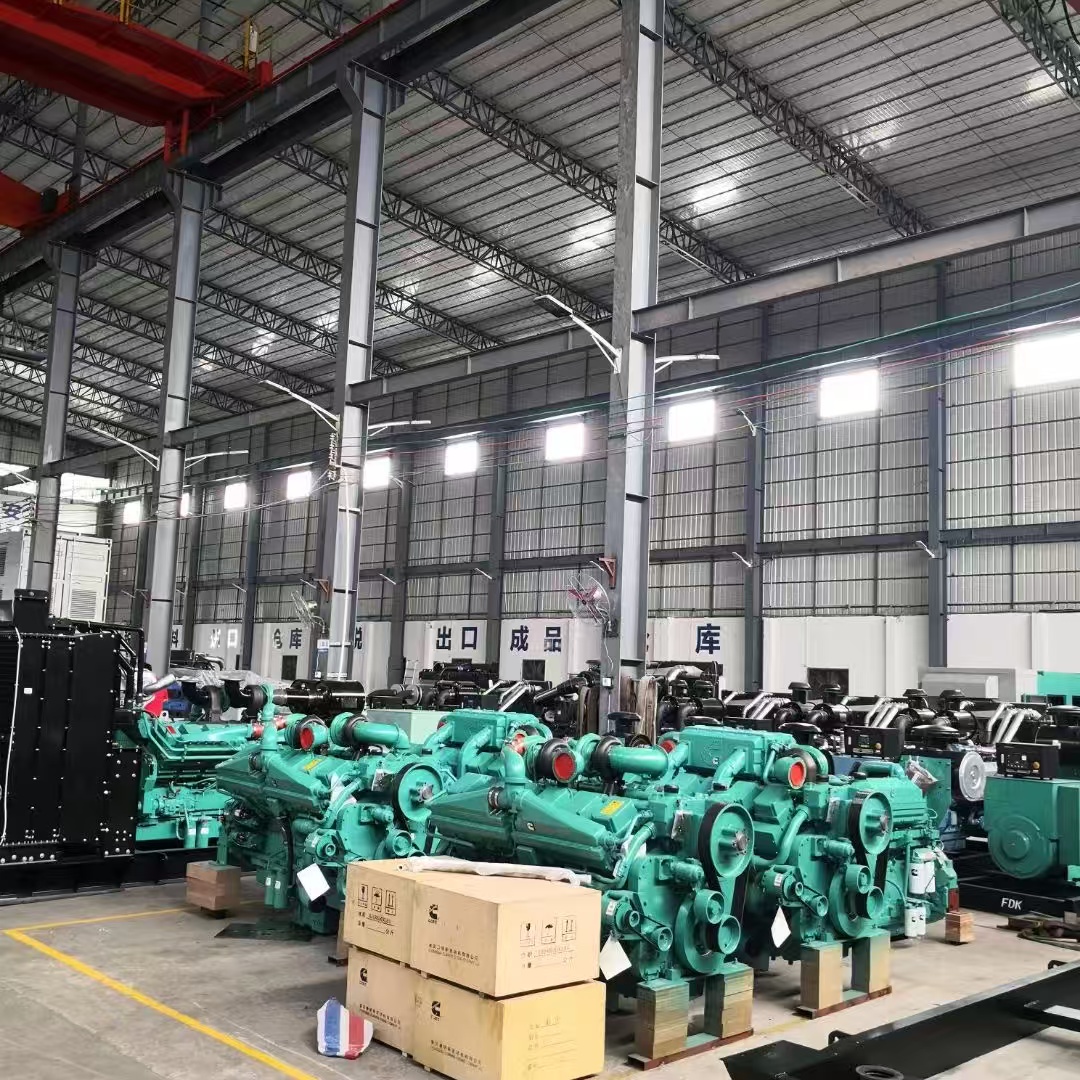
Purchasing used generators can help enterprises reduce costs. However, how can you determine whether a used diesel generator remains in good working condition? A machine may appear clean and well-maintained on the outside, but its true performance can only be verified when it operates under load.
This is why load testing is one of the most critical steps when inspecting a used generator. It helps purchasers understand how the generator performs under varying power demands. Additionally, it can uncover hidden issues that might not manifest during a simple startup test.
For factories, construction sites, mining projects, and data centers, a reliable power supply is essential. Therefore, before buying a used diesel generator, you should understand what load testing entails and why it is significant.
In this article, we explain how load testing works, what issues it can detect, and how SANQ assists customers in selecting reliable used generator sets.
What Is Load Testing for a Used Diesel Generator?
Load testing is a process that evaluates how a generator performs when it supplies electrical power to a load. During the test, technicians connect the generator to a load bank or appropriate electrical equipment. Then, they gradually increase the load and monitor the generator's performance.
Unlike a basic startup test, load testing demonstrates whether a generator can produce stable power under actual operating conditions.
A typical diesel generator load test examines:
- Output voltage and frequency
- Engine speed and stability
- Oil pressure and coolant temperature
- Fuel consumption and engine response
- Alternator performance
- Smoke, vibration, and abnormal noise
- Performance under various load levels
Consequently, purchasers can obtain a clearer understanding of the machine's actual condition before making a purchase.
Why Is Load Testing Important When Buying a Used Generator
A used generator may start easily and run without obvious problems. However, this does not guarantee it can handle a high electrical load.
For instance, an engine may perform well without a load but struggle when power demand rises. Similarly, an alternator may exhibit unstable voltage when connected to heavy equipment.
Therefore, load testing offers several significant advantages.
1. It verifies actual power output
First, load testing confirms whether the generator can deliver its rated power. This is particularly crucial for industrial users who require stable electricity.
2. It detects hidden mechanical issues
Next, the test may reveal engine overheating, unstable speed, low oil pressure, or other problems that are difficult to identify during a basic inspection.
3. It assesses alternator performance
In addition, load testing helps identify voltage fluctuations and frequency issues. These problems may affect motors, control systems, and other electrical equipment.
4. It reduces purchasing risks
Finally, a proper test report provides purchasers with more information about the machine. Thus, they can make better decisions and lower the risk of unexpected repair costs.
How Does a Diesel Generator Load Bank Test Work
A load bank test is typically conducted in multiple stages. During each stage, technicians monitor the generator and record key data.
Here is how the process generally unfolds.
Step 1: Inspect the Used Generator Before Load Testing
Before initiating the test, technicians examine the main components of the generator.
They typically check:
- Engine oil and coolant levels
- Fuel lines and fuel supply
- Radiator and cooling fan
- Alternator and electrical connections
- Battery and starting system
- Control panel and safety devices
This step helps mitigate testing risks and ensures the generator is ready for operation.
Step 2: Start the Generator and Verify No-Load Performance
Next, technicians start the diesel engine and allow it to reach normal operating conditions.
During this phase, they check engine speed, oil pressure, coolant temperature, voltage, and frequency. They also listen for unusual noises and inspect for leaks.
If the generator displays abnormal readings, technicians should identify the cause before increasing the load.
Step 3: Gradually Increase the Generator Load
After the initial checks, technicians connect a load bank and incrementally raise the electrical load.
A typical test may involve several load levels, such as 25%, 50%, 75%, and 100% of rated capacity. However, the actual test steps and duration should adhere to the generator manufacturer's specifications and the agreed-upon test plan.
At each stage, technicians monitor:
- Voltage and frequency stability
- Engine speed and response
- Oil pressure and coolant temperature
- Exhaust smoke and engine noise
- Alternator output and performance
This process demonstrates whether the used diesel generator can accommodate varying power demands.
Step 4: Evaluate Full-Load Performance
Full-load testing is especially important for industrial generators.
At this stage, technicians verify whether the machine can deliver its rated output under the specified test conditions. They also monitor for overheating, unstable voltage, abnormal smoke, and warning alarms.
Furthermore, the generator should maintain stable operation for the required test duration.
Step 5: Document the Results in a Load Test Report
Finally, technicians record the test data and summarize the findings.
A comprehensive report helps purchasers understand the generator's performance. More importantly, it provides evidence that can be reviewed before payment.
What Should a Used Generator Load Test Report Include
A load test report is one of the most valuable documents when purchasing a used diesel generator. However, purchasers should look beyond a simple statement that the machine has been tested.
A professional report should contain the following information:
Test Item
What Buyers Should Check
Generator model
Engine model and generator identification
Rated power
Prime and standby power ratings
Load percentage
Actual load applied during testing
Output voltage
Voltage readings at different load levels
Frequency
Frequency stability during operation
Oil pressure
Engine oil pressure readings
Coolant temperature
Cooling system performance
Fuel consumption
Fuel use under recorded load conditions
Test duration
How long the generator operated
Final result
Test findings and any problems identified
Additionally, request photos or videos of the actual generator during testing.
Most importantly, ensure the report corresponds to the generator you intend to purchase. A report from another machine of the same model cannot verify the condition of your unit.
Common Issues That Load Testing Can Reveal in Used Diesel Generators
One major advantage of load testing is that it can uncover problems that are not easily detectable during a routine inspection.
Here are some common issues purchasers should watch for.
1. Unstable voltage
If voltage fluctuates excessively when the load increases, the alternator or voltage regulator may require further inspection.
2. Frequency fluctuations
Unstable frequency may indicate issues with engine speed control or the governor system.
3. Engine overheating
If coolant temperature rises too much during operation, the radiator, cooling fan, water pump, or cooling system may need attention.
4. Low oil pressure
Low oil pressure under load can signal engine wear or lubrication system problems.
5. Excessive exhaust smoke
Unusual or persistent smoke may point to fuel system, combustion, or engine condition issues.
6. Abnormal noise and vibration
Unusual sounds or strong vibration may indicate loose parts, worn components, or mechanical faults.
Therefore, load testing gives purchasers a better understanding of potential repair needs before buying a used generator.
Load Testing vs. Visual Inspection: Which Is More Important for Used Gensets?
Both load testing and visual inspection are important. However, they serve different purposes.
Inspection Method
Main Purpose
What It Can Reveal
Visual inspection
Check external condition
Leaks, rust, damage, and missing parts
No-load test
Check basic running condition
Starting, engine speed, and basic operation
Load bank test
Check power performance
Output stability, temperature, and load response
Maintenance record review
Understand service history
Previous repairs and maintenance
Professional inspection
Assess overall condition
Mechanical and electrical problems
Consequently, purchasers should not rely on a single testing method.
Instead, combine visual inspection, maintenance records, engine checks, and load testing. This provides a more comprehensive understanding of the used generator's condition.
How SANQ Helps Buyers Evaluate Used Diesel Generator Quality
For international purchasers, selecting a reliable used generator supplier is as crucial as choosing the right engine model.
SANQ (Guangzhou Sanq Gensets Co., Ltd.) offers diesel generator products and power solutions through its website, sqgepower.com.
According to its website, SANQ has over 10 years of industry experience and operates OEM factories in Guangzhou and Shenzhen. Its generator product range spans 8kW to 2,200kW. The company also collaborates with Cummins, Perkins, and Doosan engine brands.
SQGE Power
For used generator purchasers, SANQ provides information on load testing and inspection to help customers evaluate equipment before purchase.
Key points include:
- Load test reports: Review actual test data to understand generator performance.
- Engine inspection: Check engine condition, operating hours, and maintenance history.
- Alternator inspection: Confirm electrical output and operating condition.
- Complete generator sets: Evaluate the engine, alternator, radiator, and control system collectively.
- Global export support: Discuss packaging, export documents, and shipping arrangements.
SANQ also publishes information on load-bank-tested used diesel generators and explains the importance of verifying voltage, frequency, fuel consumption, temperature, and other operating data.
SQGE Power
For example, if you are interested in a used Cummins KTA38 generator, you should request its actual operating hours, rated power, inspection records, and load test report.
Remember that different used generators may have varying conditions, even when they use the same engine model. Therefore, always confirm the test results for the exact unit you plan to purchase.
How to Select a Reliable Used Diesel Generator After Load Testing
After receiving the load test report, how do you determine if the generator is worth purchasing?
First, compare the test results with the manufacturer's specifications. Then, verify whether the machine meets your project's power requirements.
Here are five essential purchasing tips:
- Check the actual operating hours. Compare the hour meter with available service records.
- Review the load test data. Ensure the generator operates within the required voltage, frequency, and temperature limits.
- Inspect the main components. Examine the engine, alternator, cooling system, and controller.
- Confirm the repair history. Inquire whether major parts have been repaired or replaced.
- Choose an experienced supplier. Partner with a supplier that can provide clear product details, test records, and export support.
Additionally, consider the generator's total cost, including purchase price, potential repairs, shipping, installation, and future maintenance.
A low-priced generator is not always the best option. Instead, select a machine with clear test results and a condition that aligns with your operational needs.
Conclusion: Load Testing Reveals the True Condition of a Used Generator
Load testing is a critical step when purchasing a used diesel generator. It demonstrates how the machine performs under various electrical loads and helps identify issues that may not appear during a basic startup test.
Furthermore, a complete load test report provides purchasers with valuable information on engine performance, voltage stability, frequency, temperature, and power output.
However, load testing should always be combined with visual inspection, maintenance record reviews, and professional checks. This is the most effective way to reduce purchasing risks and make a more informed decision.
If you are seeking reliable used diesel generators, SANQ offers diesel generator solutions for industrial and commercial purchasers. Visit sqgepower.com to explore available products and discuss your power requirements.
Contact SANQ today to request used generator specifications, inspection records, and load test reports before placing your order.


