Used Genset Inspection Checklist: 10 Things B2B Buyers Should Check Before Buying
News Details
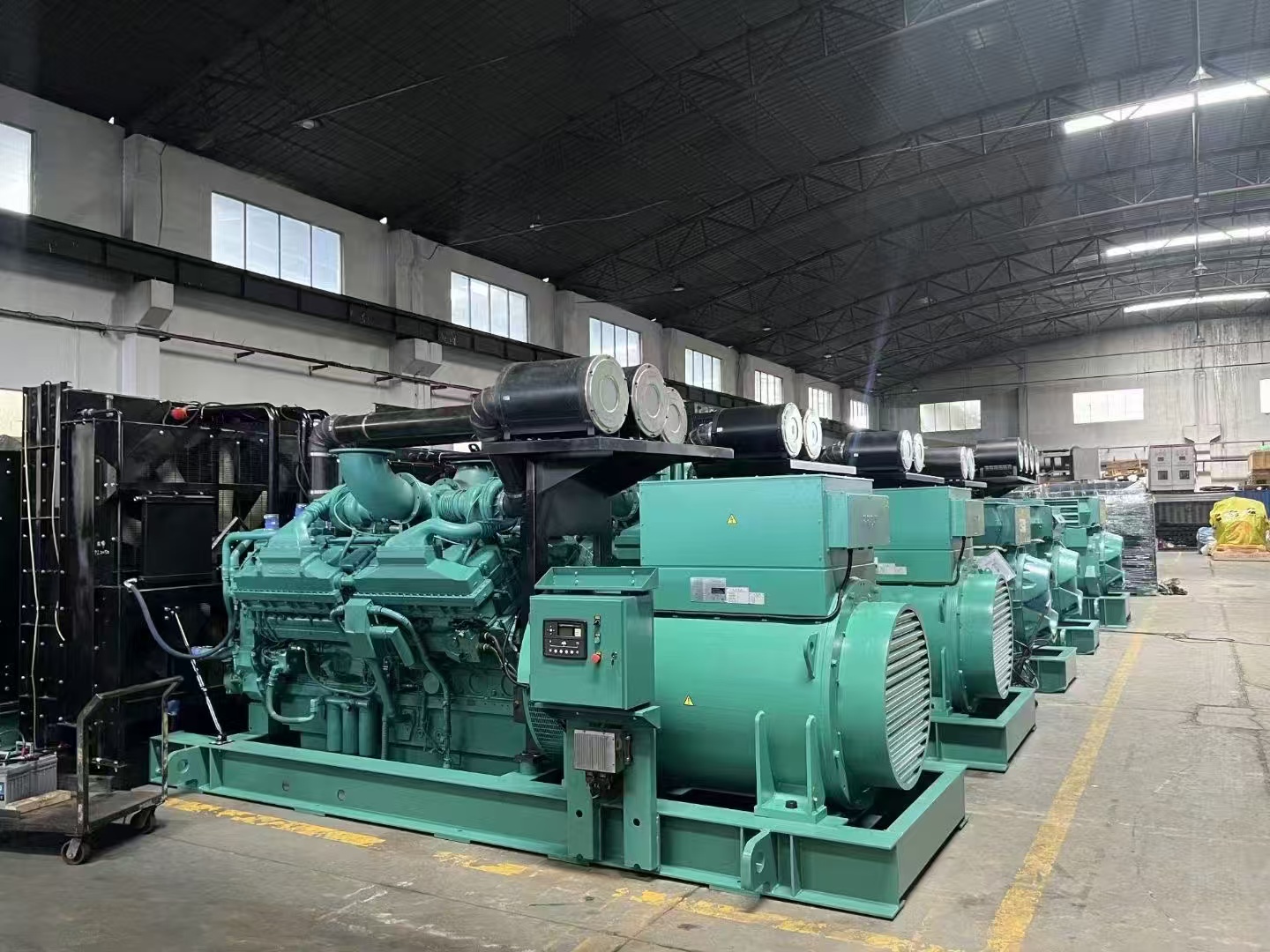
Purchasing a pre-owned generator set can help businesses lower equipment expenses and obtain power equipment more quickly. However, a low price does not necessarily indicate a favorable deal. Before placing an order, you need to inspect the generator's condition, test results, service history, and overall value.
For B2B buyers, these inspections are particularly crucial. A secondhand diesel generator may be used in a factory, construction site, mine, data center, or backup power system. If the unit malfunctions after delivery, it can lead to costly delays and disrupt daily operations.
Therefore, a comprehensive inspection process can assist you in mitigating risks and selecting appropriate equipment. This pre-owned generator set inspection checklist encompasses 10 essential items to check prior to purchase. It also explains how SANQ can support buyers seeking secondhand diesel generator sets through its website, sqgepower.com.
1. Inspect the runtime hours and operation history of the pre-owned generator set
First, check the engine runtime hours. Operating hours can help you understand the generator's usage extent. Generally, a unit with fewer hours may experience less wear. However, low operating hours alone do not guarantee that a generator is in good condition.
You should also review the service history and past usage.
Check the following details:
- Total engine running hours
- Past operating conditions
- Maintenance and repair records
- Any long-term storage periods
- Signs of heavy use or inadequate maintenance
Additionally, compare the hour meter reading with the available service records. If the figures do not match, ask the seller for an explanation.
B2B purchasing tip: Do not select a pre-owned generator set solely based on its hour meter. Maintenance quality and test results are equally important.
2. Inspect the engine of the used diesel generator for wear and damage
Next, carefully inspect the engine. The engine is one of the most critical components of a diesel generator set. Any major fault can result in high repair costs or unexpected downtime.
Check for oil leaks, coolant leaks, damaged hoses, loose parts, and signs of corrosion. Also, inspect the engine block and surrounding components for cracks or abnormal repairs.
If possible, ask a qualified technician to inspect:
- Engine oil condition
- Coolant condition and level
- Belts, hoses, and connections
- Exhaust fumes during operation
- Abnormal engine noise or vibration
Furthermore, ask whether the engine has undergone any major repairs. A well-documented repair history can help you more accurately evaluate the unit.
3. Inspect the alternator and electrical system of the pre-owned generator set
The alternator converts mechanical energy into electrical energy. Therefore, it must function properly to provide stable output.
Prior to purchase, inspect the alternator housing, wiring, terminals, and insulation condition. Check for signs of moisture, overheating, or damage.
You should also request electrical test results, including:
- Output voltage
- Output frequency
- Phase balance
- Insulation resistance
- Voltage regulation under load
However, visual inspection alone is insufficient. A qualified technician should conduct the necessary electrical tests using appropriate tools.
Consequently, you can better assess whether the secondhand generator set is suitable for your equipment and site requirements.
4. Review the load test report of the pre-owned generator set
A load test is one of the most critical steps when purchasing a secondhand diesel generator. It demonstrates how the generator set performs under actual electrical loads.
A generator may start normally without being able to handle its rated load. Therefore, always request a recent load test report if available.
The report should include:
- Test date and generator identification information
- Load levels used during the test
- Voltage and frequency readings
- Engine temperature and oil pressure
- Any alarms, faults, or shutdowns
Furthermore, check whether the unit can operate at the load level required for your project. If the test report is missing or incomplete, consider arranging an independent inspection before making payment.
5. Inspect the cooling system of the secondhand diesel generator set
The cooling system helps maintain the engine at its normal operating temperature. If it malfunctions, the generator may overheat during prolonged use.
First, inspect the radiator, fan, coolant hoses, and connections. Then, check for leaks, rust, clogged fins, or damaged components.
Also, ask the seller to confirm whether the generator maintains a stable temperature during the load test.
For industrial applications, this step is particularly important. Factories, mines, and construction sites may require long operating hours under demanding conditions. Therefore, a reliable cooling system helps reduce the risk of unexpected shutdowns.
6. Inspect the control panel and protection system of the pre-owned generator set
The control panel enables operators to monitor and manage the generator. It may display key data such as voltage, frequency, oil pressure, coolant temperature, and running hours.
Prior to purchase, check whether the display, switches, buttons, and alarms are functioning correctly.
You should also confirm that the protection system responds to the faults it is designed to detect, such as:
- Low oil pressure
- High coolant temperature
- Overload
- Overspeed
- Electrical faults (if supported)
Additionally, check whether the controller meets your operational needs, including automatic start and remote monitoring if required.
Keep in mind that control functions vary by model and configuration. Therefore, verify the unit's actual features rather than relying on generic product descriptions.
7. Verify the brand, model, and main specifications of the pre-owned generator set
Before placing an order, confirm that the generator aligns with your project requirements. This is especially important for B2B buyers who need to meet a fixed power demand.
Check the nameplates on the engine and alternator. Then, compare them with the seller's quotation and technical documents.
Inspection Item
Significance
Engine brand and model
Confirms engine identity
Rated power in kW or kVA
Helps match the required load
Primary power or standby power rating
Defines the intended operating mode
Voltage and frequency
Ensures compatibility with site equipment
Phase and power factor
Supports proper system selection
Alternator brand and model
Helps verify electrical specifications
Year of manufacture
Provides useful background information on the unit
Furthermore, make sure you understand the difference between primary power and standby power. These ratings are not interchangeable. If the generator will run for extended periods, select it based on the appropriate operating rating.
8. Review maintenance records and spare parts for secondhand diesel generators
A pre-owned generator set with clear maintenance records is easier to assess than one without documentation. Additionally, comprehensive records help you plan future maintenance costs.
Request available documents, such as oil and filter replacement records, repair reports, parts replacement details, and previous inspection results.
You should also verify the availability of spare parts. For example, filters, belts, hoses, and other service parts may be needed shortly after delivery.
For engines from well-known brands such as Cummins, parts support may be available through relevant suppliers and service networks. However, availability depends on the specific engine model, location, and part number.
B2B purchasing tip: Consider the total cost of ownership, including purchase price, transportation, repairs, maintenance, and expected operating costs. This provides a more meaningful comparison than purchase price alone.
9. Inspect the supplier's inspection and export documentation for the pre-owned generator set
The supplier is another crucial aspect of the purchasing process. Even a high-quality generator can become a risky purchase if the seller cannot provide clear information or proper export support.
Before ordering, ask the supplier for:
- Recent photos and videos of the actual unit
- Photos of engine and alternator nameplates
- Available inspection and load test reports
- Maintenance and repair records
- Detailed quotation and sales terms
- Packaging details and shipping arrangements
- Applicable export and shipping documents
For overseas buyers, it is also important to confirm the delivery schedule, payment terms, warranty conditions, and responsibility for transportation costs.
Through sqgepower.com, SANQ offers diesel generator products and power solutions for international buyers. When discussing a pre-owned generator set with SANQ, request the actual unit's specifications, condition, available test records, and current stock status.
This helps you make informed decisions based on verifiable information rather than generic claims.
10. Confirm the delivery, installation, and final acceptance of the pre-owned generator set
Finally, verify how the generator will be delivered and commissioned. A unit that passes inspection at the seller's site still needs to arrive safely and match the agreed-upon specifications.
Before shipment, confirm the following:
- The serial numbers match the sales documents
- The agreed inspection and test results are available
- Loose parts and accessories are included
- The unit is securely fastened and packed for transportation
- Export documents are prepared as agreed
- Delivery terms and installation responsibilities are clearly defined
Upon arrival, inspect the equipment for transportation damage before signing the relevant delivery documents. Then, arrange for installation and commissioning by qualified personnel.
If the generator set will serve as emergency backup power, test its automatic start function and confirm that it can supply the required load. This final step helps reduce the risk of problems when the generator is needed most.
How SANQ can assist B2B buyers in selecting a secondhand diesel generator set
For overseas enterprises, selecting a supplier involves more than just finding a low price. You also require clear technical information, appropriate power ratings, and a practical shipping plan.
SANQ's website, sqgepower.com, provides a starting point for exploring diesel generator products and power solutions. Buyers seeking secondhand generator sets can use the aforementioned inspection checklist when discussing available units with suppliers.
Before making a purchase, request detailed information about the specific generator you plan to buy. In particular, confirm the engine model, rated power, running hours, maintenance history, test results, and current availability.
A supplier's claims should be supported by unit-specific evidence. For example, do not assume that every used generator has low hours, has undergone a load test, or is ready for shipment unless these details have been confirmed for the actual unit.
By verifying these points in advance, you can compare suppliers more effectively and minimize the risk of costly surprises.
Conclusion: Use this pre-owned generator set inspection checklist before making a purchase
Purchasing a secondhand diesel generator can reduce upfront costs and help businesses acquire power equipment without lengthy lead times. However, thorough inspection is essential, especially when the generator will support industrial operations or critical backup systems.
To summarize, these 10 key checks cover engine runtime, engine condition, alternator performance, load test results, cooling system, control systems, specifications, maintenance records, supplier documentation, and delivery.
Most importantly, do not rely solely on appearance or price. Review available records, request appropriate tests, and confirm the actual unit's condition before making payment.
With a clear inspection process and a reliable supplier, B2B buyers can make more informed purchasing decisions and select a pre-owned generator set that fits their budget, power requirements, and project schedule.


