Essential Tips for Inspecting a Used Diesel Generator Before Purchase
News Details
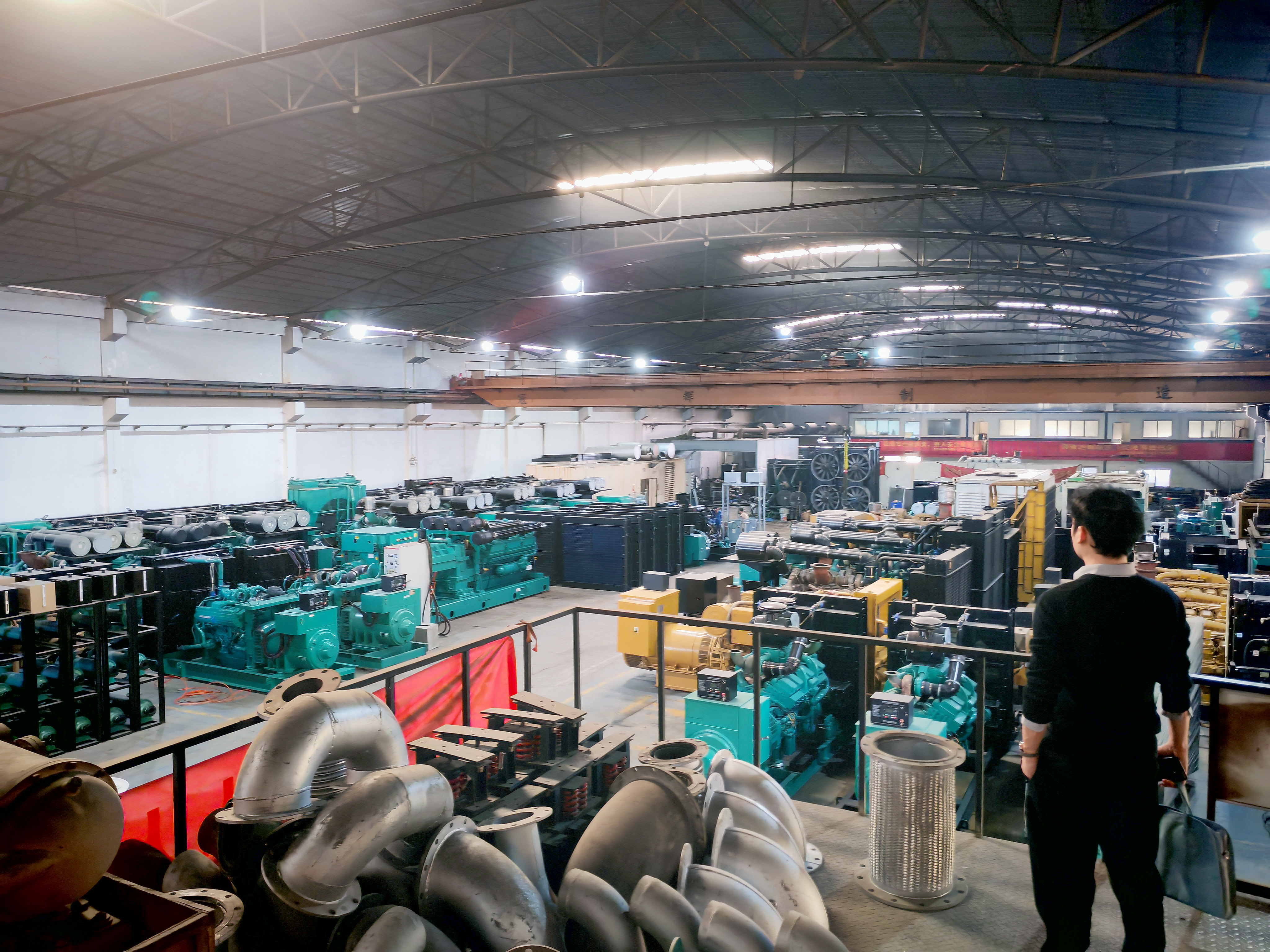
Buying a used diesel generator can save money while meeting power needs. A low price does not always mean a good deal. Before purchasing, it is necessary to check the engine, alternator, control system, and overall condition.
In addition, the generator's service history and test results should be reviewed. These steps help identify potential problems before they lead to costly repairs.
Whether backup power is needed for a factory, construction site, mining project, or data center, this guide explains how to inspect a used diesel generator before purchasing. It also shares key buying tips to help choose the right unit.
SANQprovides diesel generator solutions for industrial and commercial users. Visit sqgepower.com to learn more about its products and power solutions.
Why Inspect a Used Diesel Generator Before Buying?
First, used diesel generators usually cost less than new units. Therefore, they can be a good choice for businesses that need reliable power but want to control their budgets.
However, used generators can have very different levels of wear. Some have been well maintained, while others may have hidden faults. For this reason, a generator should never be judged by price or appearance alone.
A proper inspection helps:
- Reduce the risk of unexpected repair costs.
- Check the engine condition and operating hours.
- Confirm the generator's rated power and output.
- Review maintenance records and previous repairs.
- Check whether the unit meets project needs.
- Compare different suppliers with more confidence.
As a result, a careful inspection can help save money and avoid delays after delivery.
How to Check Used Diesel Generator Engine Hours and Service Records
The engine is one of the most important parts of a diesel generator. Before purchasing, check its operating hours and maintenance history.
Check the Used Diesel Generator Hour Meter
Most diesel generator sets have an hour meter that records operating time. Ask the seller for the current reading and, if possible, request a clear photo or video.
However, low engine hours do not always mean that a generator is in excellent condition. For example, a unit may have been stored for a long time or operated under heavy loads.
Therefore, compare the hour meter reading with service records, inspection reports, and the engine's visible condition.
Review Used Diesel Generator Maintenance Records
Next, ask for available service records. These documents can help understand how the generator was used and maintained.
Pay attention to the following details:
- Engine oil and filter changes.
- Fuel filter and air filter replacement.
- Cooling system maintenance.
- Engine repairs and replacement parts.
- Previous load test results.
- Records of major faults or overheating.
If some records are missing, ask the seller to explain the unit's known history. This is especially important when buying a used Cummins KTA38 or another large industrial diesel generator.
How to Inspect a Used Diesel Generator Engine for Damage
After checking the records, inspect the engine itself. If possible, ask a qualified technician to examine the unit before purchase.
First, look for oil leaks around the engine block, seals, and pipes. Next, check the radiator, hoses, and water pump for coolant leaks. Also, look for rust, damaged parts, loose connections, or signs of poor maintenance.
When the engine runs, pay attention to the following points:
- Starting performance: The engine should start in a way that matches its design and operating condition.
- Exhaust smoke: Watch for persistent or unusual smoke.
- Engine noise: Listen for knocking, rattling, or other abnormal sounds.
- Oil condition: Look for signs of contamination or poor maintenance.
- Coolant condition: Check for contamination, leaks, or signs of overheating.
Some smoke may be normal during startup, depending on the engine and weather. However, heavy smoke that continues after startup or unusual engine noise should be checked by a professional.
In short, a visual inspection is useful, but it cannot replace a proper mechanical assessment.
How to Check a Used Diesel Generator Alternator and Electrical System
The alternator converts engine power into electricity. Therefore, its condition is just as important as the engine's condition.
Before buying, ask the supplier to confirm the alternator brand, model, rated output, and condition. The following electrical details should also be checked:
- Rated voltage and frequency.
- Single-phase or three-phase output.
- Voltage and frequency stability.
- Electrical connections and cable condition.
- Circuit breaker condition.
- Insulation test results, where available.
In addition, check for corrosion, damaged wires, loose terminals, and signs of overheating.
A generator may start and run well but still have electrical faults. Therefore, request electrical test results instead of relying only on a short running video.
Why a Load Test Is Important When Buying a Used Diesel Generator
A load test is one of the most important steps in a used diesel generator inspection. It shows how the generator performs when supplying power to equipment or a test load.
A generator that runs without a load may not perform well when the power demand increases. For this reason, a recent load test report should be requested.
The report should include:
- Generator model and rated power.
- Load levels used during the test.
- Output voltage and frequency.
- Engine oil pressure and coolant temperature.
- Test duration and operating conditions.
- Any warning messages, leaks, or abnormal sounds.
Moreover, ask for photos or videos of the actual generator during testing. Make sure the report matches the unit that is planned to be purchased.
Do not accept the word "tested" as the only proof of quality. Instead, request clear test data and ask the supplier to explain any issues found during the test.
How to Inspect a Used Diesel Generator Cooling System and Fuel System
The cooling and fuel systems play a major role in reliable operation. If either system has a problem, the generator may overheat, run unevenly, or require expensive repairs.
Check the Used Diesel Generator Cooling System
Start by inspecting the radiator, cooling fan, water pump, and hoses. Look for leaks, corrosion, damaged parts, and signs of overheating.
Also, check the coolant level and condition. If the generator has been stored for a long time, ask whether the cooling system needs service before use.
Inspect the Used Diesel Generator Fuel System
Next, inspect the fuel tank, fuel lines, and visible connections. Look for leaks, corrosion, and signs of contamination.
Ask when the fuel filters were last replaced. In addition, confirm whether the fuel system has been cleaned or serviced if the generator was not used for a long period.
These checks are especially important for generators used in factories, mining sites, and remote projects where unexpected downtime can be costly.
How to Test a Used Diesel Generator Controller and Starting System
The controller allows operators to monitor the generator and manage its operation. Therefore, make sure it works correctly before buying.
Check whether the control panel displays key information, such as engine speed, running hours, voltage, frequency, oil pressure, and coolant temperature.
The following parts should also be checked:
- Starter motor and starting battery.
- Battery charging system.
- Control wiring and connections.
- Warning lights and shutdown alarms.
- Automatic start and stop functions, if required.
If emergency backup power is needed, confirm that the generator can work with the automatic transfer switch (ATS). Otherwise, extra parts or changes may be needed during installation.
How to Confirm Used Diesel Generator Specifications and Power Rating
Before placing an order, make sure the generator can meet the site's power needs. Do not choose a unit based only on its engine model.
Confirm these specifications:
- Engine brand and model.
- Prime power and standby power ratings.
- Rated voltage and frequency.
- Phase configuration.
- Alternator brand and model.
- Fuel consumption at stated load levels.
- Cooling method and enclosure type.
- Dimensions and shipping weight.
For example, a used Cummins KTA38 generator may suit large industrial applications. However, its actual output depends on the specific generator set and its configuration.
In addition, calculate the total power demand before buying. Remember to include motor starting current and any planned increase in equipment use.
If the generator is too small, it may not handle the load. On the other hand, an oversized generator may increase purchase and running costs. Therefore, choose a unit that matches the actual power requirements.
How to Choose a Reliable Used Diesel Generator Supplier LikeSANQ
Choosing the right supplier is just as important as checking the machine. A reliable supplier should provide clear product information and help understand the generator's condition.
SANQ offers diesel generator products and power solutions through its website, sqgepower.com. When considering a used generator, contact the supplier to confirm the availability and condition of the specific unit.
Before placing an order, ask for:
- The actual engine model and serial number.
- Operating hours and maintenance records.
- Recent photos and videos of the unit.
- Inspection and load test reports.
- Details of included parts and accessories.
- Warranty terms, if offered.
- Spare parts availability and technical support.
- Shipping terms and estimated delivery time.
Furthermore, make sure all key details are confirmed in writing. This can help prevent confusion about the generator's condition, included equipment, and delivery arrangements.
For used generators, the actual condition of each unit matters more than general product descriptions. Therefore, request evidence for the specific machine that is planned to be purchased.
How to Calculate the Total Cost of a Used Diesel Generator
A low purchase price may look attractive. However, the total cost can be much higher if the generator needs major repairs or expensive shipping.
Before making a decision, consider these costs:
- Generator purchase price.
- Inspection and testing fees.
- Repairs and replacement parts.
- Shipping and cargo insurance.
- Import duties and taxes.
- Installation and commissioning.
- Fuel and regular maintenance.
For example, a generator with a slightly higher price may offer better value if it has clear service records, good test results, and fewer expected repairs.
In addition, check whether spare parts are easy to obtain in your country. This is particularly important if the generator will support a production line or another critical operation.
Common Mistakes to Avoid When Buying a Used Diesel Generator
Even experienced buyers can overlook important details. To reduce the risk, avoid these common mistakes.
Choosing based on price alone: A low price does not prove that the generator is reliable. Always check its condition and test results.
Trusting low engine hours without proof: Compare the hour meter with maintenance records and inspection data.
Skipping the load test: A generator may run without a load but fail under real working conditions.
Ignoring the alternator and controller: Engine performance alone does not confirm that the whole generator set works correctly.
Failing to check the power rating: Make sure the generator can support your equipment and starting loads.
Not confirming shipping terms: Check packing, transport costs, delivery time, and required export documents before payment.
By avoiding these mistakes, a more informed decision can be made and the chance of unexpected costs reduced.
Conclusion: How to Inspect a Used Diesel Generator Before Buying
Inspecting a used diesel generator before buying is an important step toward a safe and cost-effective purchase.
First, check the engine hours and service history. Next, inspect the engine, alternator, cooling system, fuel system, and controller. Then, review the load test report and confirm the generator's rated power. Finally, compare the total cost and check the supplier's support.
For businesses looking for industrial power equipment, SANQ provides a starting point for exploring diesel generator products and power solutions. Visit sqgepower.com to learn more and ask about available units.
Before payment, verify the actual generator, review its test results, and confirm all purchase terms in writing. A careful inspection can help avoid costly mistakes and choose a used diesel generator that fits the project and budget.


